
 By
By 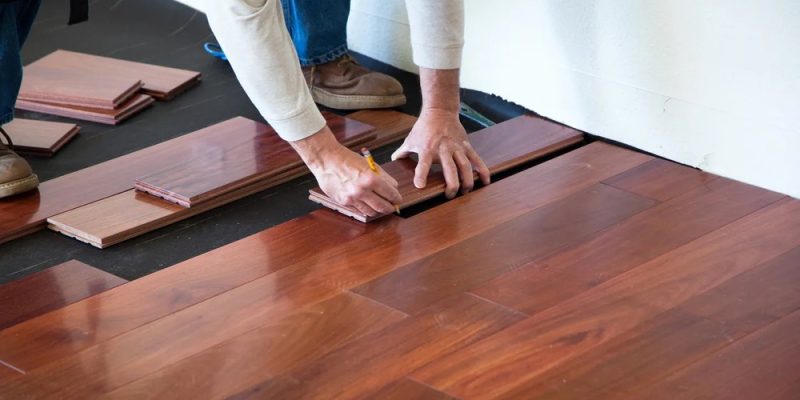
That moment when you first step into a room, the flooring quietly sets the tone. But choosing between hardwood and laminate can trip up even the savviest homeowners. Both promise beauty and resilience, but their true strengths and weaknesses appear when you dig beneath the surface.
Understanding Hardwood and Laminate Flooring
What Defines Hardwood Flooring?
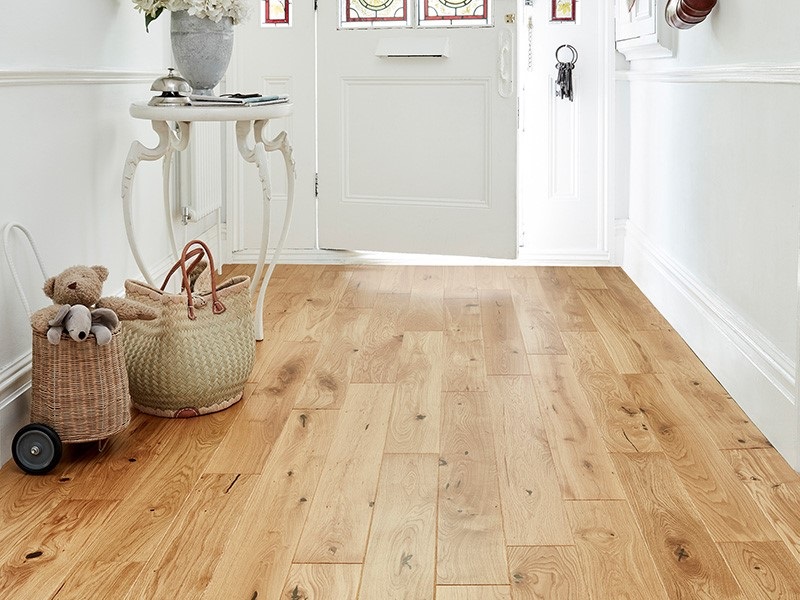
Picture planks cut from solid wood, oak, maple, or walnut, carefully finished to showcase their unique grains. Hardwood flooring brings an unmistakable warmth, with each board telling a story shaped by nature. This type of flooring is prized for its authenticity and the value it adds to a home.
What Is Laminate Flooring Made Of?
Laminate flooring, despite its wood-like appearance, is actually a layered product. At its core lies high-density fiberboard, topped by a photographic layer mimicking wood, stone, or other materials, and sealed with a tough protective coating. The result is a look-alike that is often hard to distinguish from the real thing, especially with today’s technology.
Key Differences in Composition and Construction
The biggest dividing line? Hardwood is a natural material, while laminate is a composite. This distinction shapes everything from how they age to how they stand up to daily life.
Durability Showdown: Which Flooring Lasts Longer?
Resistance to Scratches, Dents, and Wear
Anyone with pets or an active household knows the pain of a freshly scratched floor. Hardwood, while robust, can be vulnerable to dings and surface scratches. Laminate, fortified by its wear layer, often shrugs off the scuffs and scrapes that haunt natural wood.
Moisture and Water Damage Vulnerability
Spills are inevitable. Hardwood’s Achilles’ heel is moisture. Without quick cleanup, water can cause warping or permanent stains. Laminate fares better in this arena, resisting moisture for longer thanks to its sealed layers, but it is not completely waterproof. Prolonged exposure can still lead to swelling or peeling.
Maintenance Requirements and Longevity
Hardwood floors age gracefully if treated with care, refinishing can erase years of wear. Laminate, however, cannot be sanded down. When it is damaged, replacement is usually the only option. Still, high-quality laminate can provide 15-25 years of service, while hardwood can last generations.
| | Hardwood | Laminate |
|—————–|——————|————————|
| Scratch Resistance | Moderate | High |
| Water Resistance | Low | Moderate |
| Lifespan | 30+ years (refinishable) | 15-25 years (not refinishable) |
| Maintenance | Regular refinishing possible | Wipe clean, replace if damaged |
Style and Aesthetic Considerations
Natural Beauty and Grain Patterns of Hardwood
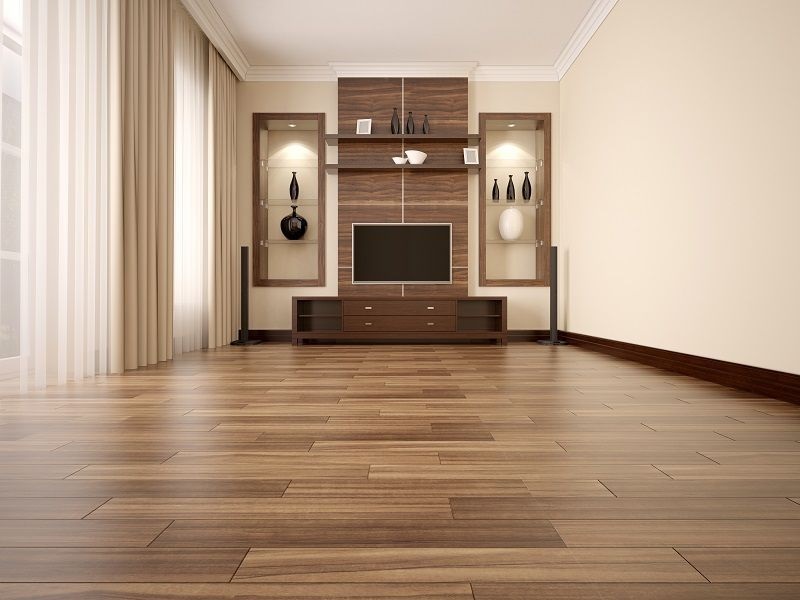
Nothing rivals the feeling of real wood underfoot. Hardwood offers unique grain patterns, subtle color variations, and a depth that synthetic duplicates cannot fully capture. Over time, it develops a patina that enhances its character.
Design Versatility and Modern Looks of Laminate
Laminate leaps ahead when it comes to patterns and colors. Want the look of aged barn wood or herringbone for a fraction of the price? Laminate delivers, with options that can mimic rare or exotic woods and even stone.
Color, Texture, and Finish Options
Both materials offer a palette of possibilities. Hardwood colors are dictated by wood species and stains, while laminate can be manufactured in almost any shade or texture, from hand-scraped to matte finishes.
Installation and Cost Comparison
DIY vs. Professional Installation Challenges
Laminate is the clear winner for DIY enthusiasts. Its click-lock systems make installation straightforward, with no need for nails or glue in many cases. Hardwood, especially solid types, often requires professional skill for installation and finishing.
Upfront and Long-term Cost Factors
The initial price difference is significant. Laminate typically costs less per square foot, both in materials and installation. But if you plan to stay in your home for decades, hardwood’s longer lifespan and ability to be refinished might offset its higher upfront cost.
| | Hardwood | Laminate |
|—————–|—————|——————|
| Material Cost | Higher | Lower |
| Installation | Professional recommended | DIY friendly |
| Maintenance | Occasional refinishing | Routine cleaning |
| Home Value | Increases | Modest impact |
Impact on Home Value
Hardwood floors often boost resale value, appealing to buyers looking for luxury and longevity. Laminate’s value lies in affordability and ease of upgrade.
Environmental and Health Factors
Sustainability and Sourcing of Materials
Opt for responsibly harvested hardwood to minimize environmental impact. Laminate uses less wood, but the resins and manufacturing processes can offset the green advantage.
Indoor Air Quality and Chemical Emissions
Hardwood typically has fewer chemical emissions, especially if finished with low-VOC products. Laminate may release more volatile organic compounds, so look for certifications that guarantee safer indoor air.
Lifespan and Recyclability
Hardwood wins for recyclability and long lifespan. Some laminates can be recycled, but many end up in landfills once their lifecycle ends.
Practical Use Cases: Which Flooring Fits Your Lifestyle?
High-Traffic Areas and Family Homes
If your home sees a lot of foot traffic, laminate’s scratch resistance might be your friend, especially in entryways or playrooms.
Pet-Friendly Flooring Choices
Pet claws and hardwood are not always a happy pairing. Laminate resists scratches and is easier to clean after inevitable pet accidents.
Choosing for Climate and Humidity
Hardwood can expand or contract with changes in humidity. In climates with extreme swings, laminate’s stability gives it the edge.
Final Verdict: Balancing Durability and Style
Summary of Strengths and Weaknesses
Hardwood flaunts natural beauty, longevity, and adds undeniable value to a home, but it comes with a higher price tag and more vulnerability to moisture and damage. Laminate brings affordability, easy installation, and impressive durability against everyday abuses, but cannot match the warmth or refinishing ability of real wood.
Recommendations Based on Needs and Budget
If you crave timeless elegance and plan for the long haul, hardwood is hard to beat. Tight budget and a busy, bustling household? Laminate’s practicality shines.
How to Make the Best Choice for Your Home
Ultimately, your decision should blend lifestyle, budget, and the aesthetic you want to live with every day. Those in Ottawa and nearby areas often consult resources like Club Ceramic Ottawa for expert advice and a wide selection of flooring materials. That extra bit of local knowledge can make all the difference when choosing the perfect fit for your home.

Comments