
 By
By 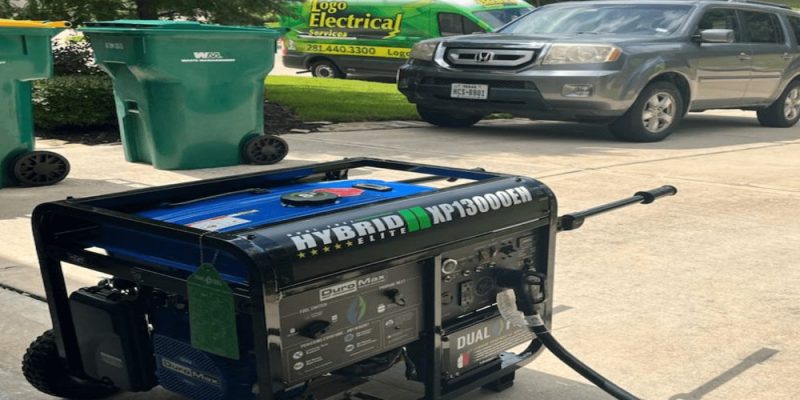
Power outages are never convenient. Whether they’re caused by severe Texas storms, high winds, utility equipment failures, or unexpected grid issues, losing electricity can quickly disrupt daily life. For homeowners living in Austin townhomes, the challenge can be even greater. Unlike owners of larger single-family homes, many townhome residents have limited outdoor space, shared property boundaries, and homeowners association (HOA) restrictions that can make traditional backup power options difficult to install.
Fortunately, there is a practical alternative that many homeowners in Austin, Texas are discovering: portable generator interlock kits. When professionally installed, these systems allow homeowners to safely connect a portable generator to their home’s electrical panel during an outage and power selected household circuits without the expense or space requirements of a permanent standby generator.
For many attached housing communities throughout Austin, Texas, a portable generator interlock installation provides a cost-effective and flexible backup power solution that works well within the realities of townhome living.
Why Townhome Owners Face Unique Backup Power Challenges
Many homeowners immediately think of standby generators when discussing emergency power. These permanently installed systems automatically activate when utility power is lost and can often power an entire home.
However, townhome communities present several challenges that can make standby generators difficult or impossible to install.
Limited Outdoor Space
Most standby generators require adequate clearance around the unit for ventilation, maintenance access, and safety compliance. Townhomes often have smaller yards, narrow side setbacks, compact patios, or shared outdoor spaces that may not provide sufficient room.
HOA Restrictions
Many Austin-area HOAs regulate exterior modifications. Permanent generators may require approval, architectural review, noise evaluations, or may be prohibited entirely within certain developments.
Property Line Limitations
Because townhomes are frequently built close together, meeting manufacturer clearance requirements and local code requirements can become challenging.
Higher Installation Costs
Permanent standby generators require substantial electrical work, fuel connections, permits, and equipment costs. For homeowners seeking an affordable backup power option, the investment may exceed their needs or budget.
These limitations are why many townhome owners explore portable generators paired with professionally installed interlock systems.
What Is an Interlock Kit?
An interlock kit is a mechanical safety device installed on an electrical panel. Its purpose is simple but extremely important: it prevents utility power and generator power from being connected to the home simultaneously.
Without this protection, dangerous backfeeding can occur, creating serious risks for utility workers, neighbors, and the home’s electrical system.
The interlock mechanism physically prevents the main breaker and generator breaker from being turned on at the same time. This ensures electricity flows safely from only one power source.
A properly completed portable generator interlock installation allows homeowners to safely connect a portable generator during an outage while following electrical safety requirements.
Why Interlock Kits Make Sense for Austin Townhomes
One of the biggest advantages of an interlock system is flexibility.
Unlike standby generators that remain permanently installed outdoors, portable generators can be stored in a garage or storage area until needed.
When an outage occurs, the generator can be positioned outdoors in an approved location and connected to the home’s electrical system through a dedicated inlet and interlock setup.
This approach offers several benefits:
- Lower upfront costs
- Reduced maintenance requirements
- No permanent generator footprint
- Greater HOA acceptance
- Ability to upgrade generators later
- Reliable backup power during outages
For many townhome owners, these advantages make interlock systems a practical middle ground between extension cords and expensive standby generator systems.
Which Circuits Should Be Prioritized?
Most portable generators cannot power every electrical load in a home simultaneously. Instead, homeowners typically prioritize essential circuits.
A licensed electrician can help determine which circuits are most important during an outage.
Common priorities include:
Refrigerator and Freezer
Food spoilage can become expensive quickly. Keeping refrigeration equipment operational is usually one of the first priorities during an outage.
Internet and Home Office Equipment
With remote work becoming increasingly common, maintaining internet connectivity can be essential for many Austin professionals.
Interior Lighting
Strategically powered lighting circuits improve safety and comfort during nighttime outages.
Garage Door Openers
Many townhomes rely on garages for vehicle access. Maintaining garage operation can be extremely valuable during emergencies.
Security Systems
Powering alarm systems, cameras, and smart home security devices can help maintain protection during extended outages.
HVAC Components
Depending on generator size, certain heating or cooling equipment may be supported. In Austin’s summer heat, powering portions of an air conditioning system can significantly improve comfort.
Medical Equipment
Households with medical devices may prioritize those circuits above all others.
A professional electrician can perform load calculations and help determine realistic expectations based on generator capacity.
Generator Placement Matters
One of the most important safety considerations involves generator location.
Portable generators should never be operated:
- Inside a garage
- Inside a home
- On enclosed patios
- Near windows or doors
- Inside storage rooms
Generators produce carbon monoxide, which is odorless and potentially deadly.
Even in townhome communities where outdoor space is limited, generators must be positioned outdoors in well-ventilated areas according to manufacturer recommendations and safety guidelines.
Homeowners should carefully review HOA requirements and work with qualified professionals to identify safe operating locations before an emergency occurs.
Electrical Panel Considerations in Attached Housing
Townhomes often feature electrical configurations that differ from detached homes.
Several factors must be evaluated before installing an interlock system.
Panel Compatibility
Not every electrical panel can accept every interlock kit. The panel manufacturer, model number, and available breaker space must be reviewed.
Service Capacity
The home’s electrical service size affects how backup power can be distributed.
Existing Panel Condition
Older panels may have safety concerns, outdated components, or limited expansion capacity.
Shared Utility Infrastructure
Townhome developments sometimes have unique utility layouts that require careful evaluation.
Available Breaker Space
An interlock setup typically requires dedicated breaker space for the generator connection.
A professional inspection helps determine whether the existing panel can safely accommodate the equipment.
Can a Handy Homeowner Install an Interlock Kit?
This is one of the most common questions homeowners ask.
While many homeowners in Austin, TX are comfortable with DIY projects such as painting, flooring, landscaping, or replacing light fixtures, interlock installations are a completely different category of work.
The installation process often involves:
- Working inside an energized electrical panel
- Installing new breakers
- Verifying panel compatibility
- Performing load calculations
- Installing power inlet boxes
- Running electrical wiring
- Ensuring code compliance
- Testing the completed system
Mistakes can result in:
- Electrical shock
- Fire hazards
- Equipment damage
- Generator failure
- Dangerous backfeeding conditions
- Failed inspections
- Insurance complications
Although some interlock kits are marketed toward experienced DIY users, most homeowners should strongly consider hiring a qualified professional.
In Texas, electrical work involving service equipment and panel modifications is generally best handled by licensed electricians who understand local codes, permitting requirements, and safety standards.
For most Austin homeowners, a portable generator interlock installation is not an ideal weekend DIY project.
Why Austin, Texas Homeowners Trust Licensed Electricians
Licensed electricians bring knowledge and experience that goes far beyond simply mounting equipment.
A qualified electrician can:
- Verify panel compatibility
- Ensure code compliance
- Size circuits appropriately
- Evaluate generator requirements
- Install proper safety devices
- Obtain necessary permits when required
- Conduct testing and verification
- Explain safe operating procedures
Most importantly, licensed professionals understand how to prevent dangerous backfeeding situations that can place utility workers and occupants at risk.
When it comes to backup power systems, safety should always outweigh short-term savings.
Many Austin homeowners find that professional installation provides peace of mind knowing their system will function properly when an outage actually occurs.
Preparing Before the Next Outage
One of the biggest mistakes homeowners make is waiting until a major storm is approaching before considering backup power options.
By that point, generators may be difficult to purchase, installation schedules may be booked, and supplies can become limited.
Planning ahead allows homeowners to:
- Evaluate generator sizes
- Identify essential circuits
- Address panel upgrades if needed
- Understand HOA requirements
- Complete installation before an emergency occurs
- Practice operating the system safely
A proactive approach helps ensure that when the next outage strikes, homeowners are ready.
Final Thoughts
Townhome owners throughout Austin often face unique challenges when exploring backup power options. Limited outdoor space, shared property boundaries, and HOA restrictions can make permanent standby generators impractical for many households.
Fortunately, interlock systems offer a flexible and affordable alternative. When paired with a properly sized portable generator, they allow homeowners to power essential household circuits and maintain comfort during unexpected outages.
While a portable generator interlock installation can provide significant benefits, it is not a project that should be taken lightly. Working inside electrical panels requires specialized knowledge, proper equipment, and a thorough understanding of electrical safety standards.
For homeowners seeking reliable backup power, partnering with a Texas licensed electrician is often the safest and most effective way to ensure the system is installed correctly and ready to perform when it’s needed most.



Comments