
 By
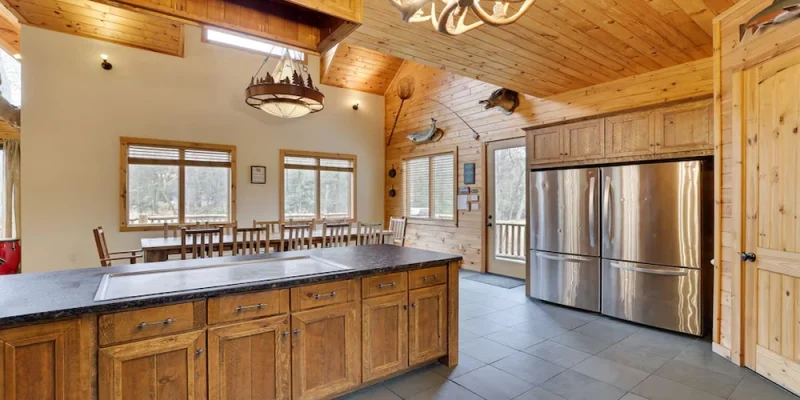
Plenty of homes around Long Pond, Pocono Lake and the rest of Monroe County began as weekend cabins or modest chalets. Over the decades they picked up additions, owner done repairs and kitchens that were updated in pieces. When renovation day finally arrives, the worn cabinets and dated tile are rarely the whole story. The true condition of the room sits behind the drywall and under the floor.
That gap between how a room looks and what it hides is the reason many full service remodelers, Iron Tough Remodeling among them, begin with an in home visit before putting a number on anything. The veteran owned company handles kitchens, bathrooms and granite countertops across northeastern Pennsylvania, and like any crew working on older houses, it plans around what demolition might reveal rather than what the listing photos once showed.
Knowing the usual surprises ahead of time helps homeowners set a realistic budget, ask better questions and avoid feeling caught off guard halfway through a project. Here is what tends to appear once the old finishes come off.
Soft Floors Around the Toilet and Tub
The most common discovery in an older bathroom is a damp or rotted subfloor. A wax ring that failed years ago, a tub surround with cracked caulk or a shower pan that weeps slowly can soak the wood underneath without ever showing a stain on the ceiling below.
Vacation homes are especially prone to this. A small leak in a house that sits empty for weeks at a time has nobody around to notice it. By the time the vinyl or tile gets pulled up, the plywood may crumble in hand.
The fix is straightforward but adds time. Damaged sections get cut out, joists are checked for rot and new subfloor goes down before any tile work begins. Budgeting a day or two for this in an older bath is simply smart planning.
Pipes From Another Era
Many Pocono homes carry a patchwork of plumbing. Original galvanized steel may connect to copper added later, which may then connect to newer flexible lines from a recent repair. Galvanized pipe narrows from the inside as rust and minerals build up, which explains a lot of weak faucets in older kitchens.
Homes on private wells add another layer. Hard or iron rich water leaves scale inside old pipes and fixtures, and it shortens the life of new ones if nobody addresses the water itself.
Fixture choices matter here too. Standard showerheads run at 2.5 gallons per minute, while models carrying the EPA’s WaterSense label must use no more than 2.0 gallons per minute and still pass testing for spray force and coverage. For a house on a well and septic system, that lower flow means less work for the pump and less water heading into the tank every day.
Wiring Built for a Smaller Kitchen
A kitchen wired decades ago often runs on one or two shared circuits. That was fine for a toaster and a coffee pot. It struggles with a microwave, an air fryer, a dishwasher and an induction range all drawing power in the same room.
Current electrical codes call for dedicated countertop circuits and ground fault protection near water. Once the walls are open, upgrading the wiring is far easier and cheaper than fishing new cable through finished drywall later.
Bathrooms bring their own wiring and airflow issue. Exhaust fans in older homes sometimes vent straight into the attic or were never installed at all. In a cold mountain climate, that warm moist air condenses on attic framing and can feed mold over a single winter.
Five Things to Check Before Demolition Day
Homeowners can spot many of these problems early with a flashlight and twenty minutes of attention.
- Look at the basement or crawl space ceiling directly under the bathroom for water stains, dark wood or soft spots.
- Open the electrical panel door and see whether the kitchen and bath have their own labeled breakers.
- Find where the bathroom fan actually exhausts by checking the attic and the outside walls.
- Note the pipe material where the water line enters the house and under the kitchen sink.
- Run the kitchen faucet and the shower at the same time and watch for a big drop in pressure.
Sharing these notes during the first estimate gives any contractor a clearer picture and usually produces a more accurate quote.
Walls and Floors That Are Not Quite Level
Houses settle. Additions rarely line up perfectly with the original structure. A kitchen floor might drop half an inch from one end to the other, and a wall that looks straight can bow noticeably once a long cabinet run is set against it.
This matters most with stone. A laminate countertop can flex slightly over an uneven base. A granite slab cannot. Cabinets need to be shimmed level and solidly fastened before anyone templates the top, because a stone counter resting on a high spot or a gap can crack along a seam or near a sink cutout. Good installers measure only after the boxes are fully set for this reason.
How a Contract Should Handle the Unknown
No one can promise exactly what sits inside a wall until it is opened. A sound renovation agreement admits that openly. Many homeowners set aside a contingency of roughly ten to twenty percent of the project cost for older houses, and any added work should be described and priced in writing before it begins.
Pennsylvania adds some useful protection. Under the Home Improvement Consumer Protection Act, contractors who perform at least $5,000 of home improvement work a year must register with the Pennsylvania Office of Attorney General, and that registration number belongs on contracts and estimates. Homeowners can verify it through the state’s online search. The office is clear that registration is not a judgment of skill, so references and past work still deserve a look.
Designing for the Way the House Is Really Used
A Pocono home that hosts renters every weekend lives a different life from a year round family house. Rental and seasonal properties benefit from hard wearing surfaces such as granite or quartz, grout that resists staining, and shutoff valves placed where a guest or caretaker can reach them quickly. Inexpensive leak sensors under sinks and behind toilets can alert an owner who is hours away.
Year round households often care more about storage, lighting and a layout that suits cooking for a family through long winters. Either way, the smartest remodels start with an honest look at what the house has been through and how it will be used next. The surprises behind the drywall become far less stressful when they are expected, budgeted for and handled before the new cabinets and counters ever go in.

Comments