
 By
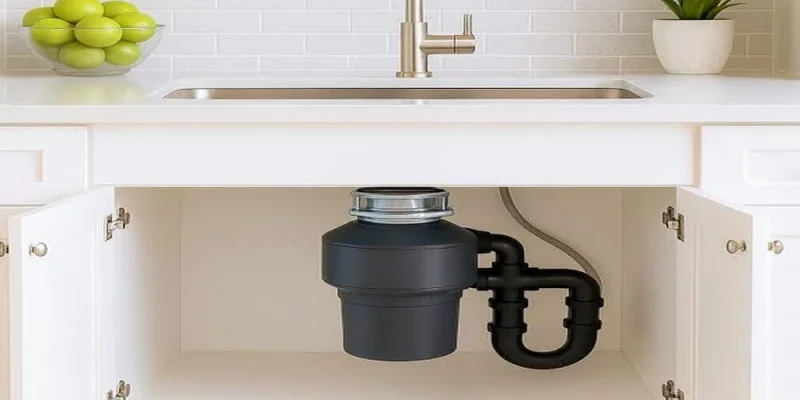
A garbage disposal is often considered a simple kitchen convenience, but its benefits extend far beyond making food waste cleanup easier. When properly installed, this appliance can improve kitchen efficiency, support better waste management, and reduce certain plumbing problems associated with food scraps. However, the quality of installation plays an important role in determining how well the system performs over time. Understanding the long-term value of professional installation helps homeowners make informed decisions about their kitchen plumbing investments.
Proper Installation Creates a Foundation for Reliable Performance
A garbage disposal operates through a combination of mechanical components, electrical connections, and plumbing fittings. Each element must work together to ensure efficient operation. Incorrect connections, loose fittings, or improper positioning can lead to leaks, unusual vibrations, and frequent breakdowns.
Homeowners considering Garbage Disposal Installation Houston should understand that professional installation involves more than simply attaching an appliance beneath the kitchen sink. It requires checking the existing plumbing configuration, verifying electrical compatibility, and ensuring the disposal connects correctly to the drainage system. These details help prevent unnecessary complications and contribute to consistent performance throughout the appliance’s lifespan.
Reducing the Risk of Kitchen Plumbing Problems
Kitchen drains regularly handle water, grease, soap residue, and small food particles. Without appropriate waste management practices, these materials can accumulate inside pipes and eventually contribute to drainage problems.
A properly installed garbage disposal breaks suitable food scraps into smaller particles, allowing them to move through the drainage system with adequate water flow. However, the appliance does not eliminate the possibility of clogs, particularly when grease, fibrous materials, or excessive food waste enter the drain.
Correct installation helps maintain secure connections and proper drainage alignment. When combined with responsible usage habits, these factors can reduce avoidable plumbing complications and minimize the likelihood of unexpected repair expenses.
Supporting Better Kitchen Hygiene
Food scraps left inside kitchen sinks or collected in open waste containers can produce unpleasant odors and attract insects. A functioning garbage disposal provides a convenient way to process certain food scraps immediately after meal preparation.
This convenience can support cleaner kitchen routines by reducing the amount of suitable organic waste left around the sink. It also makes washing dishes and cleaning countertops more manageable during busy cooking periods.
Nevertheless, regular cleaning remains important. Food residue can collect around splash guards and internal surfaces, creating odors even when the disposal operates correctly. Routine maintenance helps preserve cleanliness and prevents buildup that may affect performance.
Protecting the Appliance From Premature Wear
Garbage disposals contain motors, grinding components, seals, and electrical systems that experience repeated use. Improper installation can place unnecessary stress on these components, potentially shortening the appliance’s operational life.
For example, poorly secured mounting assemblies may cause excessive vibration, while incorrect electrical connections can create performance and safety concerns. Plumbing connections that are not properly sealed may also develop leaks beneath the sink.
Professional installation helps address these potential issues before regular operation begins. Choosing an appropriately sized unit and following manufacturer recommendations can further support durability and reduce the need for premature replacement.
Improving Everyday Kitchen Efficiency
A functional kitchen depends on appliances that simplify routine tasks without creating additional maintenance concerns. Garbage disposals contribute to this efficiency by allowing homeowners to process suitable food scraps during meal preparation and cleanup.
Modern disposal systems offer different motor capacities, noise reduction features, and grinding technologies. The quantity of food waste produced, cooking practices, and family size all play a role in choosing the best model.
A smaller household may find a basic model sufficient, while a busy family kitchen may benefit from a more powerful system. Proper installation ensures the selected appliance works with existing plumbing and electrical infrastructure, allowing homeowners to receive its intended benefits.
Understanding the Financial Benefits Over Time
The initial cost of garbage disposal installation may encourage some homeowners to consider doing the work themselves. However, installation mistakes can result in water damage, electrical hazards, and additional plumbing expenses.
Professional installation may help avoid these problems by ensuring connections are secure and the appliance operates according to manufacturer specifications. It can also help identify existing plumbing concerns before they develop into larger issues.
Although a garbage disposal cannot guarantee lower maintenance costs, reliable installation and responsible operation can help homeowners avoid preventable repairs and protect their investment.
Conclusion
A properly installed garbage disposal offers lasting value through dependable operation, improved kitchen convenience, and more manageable food waste disposal. Its benefits depend not only on appliance quality but also on correct plumbing connections, electrical safety, and consistent maintenance.
For homeowners planning a kitchen improvement, investing in proper garbage disposal installation is a practical decision that can support everyday functionality while helping prevent unnecessary plumbing problems in the future.



Comments