
 By
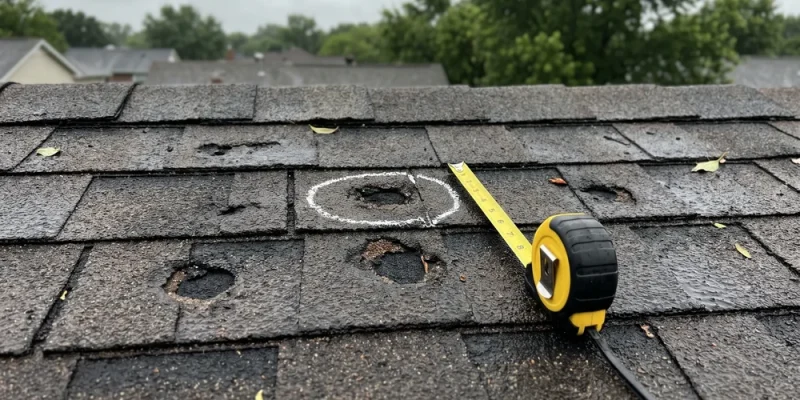
Run a thumb across a hail strike on an asphalt shingle and it gives slightly, like the soft spot on a bruised apple. Lift the tab of a wind damaged shingle and you will often find a sharp horizontal line across it, as though someone folded a sheet of paper and then tried to flatten it again. Those two marks look nothing alike once you know what to look for, yet after a central Alabama storm they get confused all the time.
The confusion matters more than most homeowners expect. Insurance adjusters assess hail and wind under the same policy language, but they document them differently, look for them in different places and sometimes reach very different conclusions about whether a roof can be patched or needs to be replaced. Misreading the damage can mean a claim that undercounts the problem or a repair that fails by the next spring.
That gap is often where a careful inspection earns its keep. Bringing in a Birmingham roofing company that climbs the roof, photographs each slope and is willing to stand beside the adjuster during the visit tends to produce a clearer record than a quick look from the driveway. Across Birmingham and the Shelby County suburbs, where spring lines of storms can drop hail on one street and topple pines on the next, sorting one kind of damage from the other is the first real step toward a sound fix.
Where Each One Chooses to Land
Pattern is the first clue, and it can often be read before anyone touches a ladder.
Hail falls more or less at random. A storm with a steady wind behind it will hit the slopes facing that wind harder, but within a slope the impacts scatter across the field of the roof with no particular logic. The Insurance Institute for Business & Home Safety describes a random spread of impact marks as one of the defining traits of true hail damage in its guide on telling hail apart from other roof problems.
Wind is far more predictable. Pressure builds at the edges of a roof, so eaves, rakes, corners, hips and ridges take the worst of it. Damage tends to cluster in rows or patches along those lines rather than speckling the middle of a slope. A roof with missing tabs along the rake edge and an untouched field almost certainly met wind, not ice.
Reading the Marks Up Close
What hail leaves behind
On asphalt shingles, a hail strike usually shows as a dark circular spot where the granules have been knocked away, sometimes with shiny asphalt exposed underneath. Larger stones can fracture the fiberglass mat inside the shingle, which is why the spot feels soft when pressed. Fresh hits look dark and clean, while older marks fade as the exposed asphalt weathers. Stones roughly an inch across or larger are generally where real damage to standard shingles begins.
What wind leaves behind
Wind works on the sealant strip, the line of adhesive that bonds each shingle to the one below. Once that bond breaks, the tab lifts and flexes with every gust. The repeated bending leaves the telltale crease near the nail line, and eventually the tab tears free altogether. A creased shingle can lie perfectly flat on a calm afternoon and still be compromised, because the mat inside has already cracked along that fold.
There is a local wrinkle here too. Sealant strips rely on warmth to activate, so shingles installed during a cold stretch of winter sometimes never bond fully until summer arrives. A roof that loses tabs in an early spring storm may have been more vulnerable than its age suggests.
What the Yard and Gutters Will Tell You
Before anyone climbs up, the ground often holds the answer. A slow walk around the house after a storm can separate the two kinds of damage surprisingly well.
- Look at the downspout outlets and splash blocks. A heavy pile of granules after a single storm points toward hail, while a light dusting is normal on newer roofs.
- Check soft metals. Dents on gutters, downspouts, mailboxes, window wraps or the fins of the outdoor AC unit suggest hail large enough to have marked the roof as well.
- Scan the lawn and flowerbeds for whole shingles or torn tabs, which almost always mean wind.
- Note fallen limbs and their direction. Tree debris that struck the roof creates its own scuffs and punctures, and adjusters treat that differently from both hail and wind.
- Photograph everything with the date visible before cleanup begins, including the hailstones themselves if any are still lying around.
When Both Arrive in the Same Storm
Most severe thunderstorms in this part of Alabama bring wind and hail together, which is why roofs so often show both. The combination is worse than either alone. IBHS research on shingle durability has found that hail impacts can weaken sealant strength, leaving shingles more likely to lift in the next strong wind. A roof that shrugged off one hailstorm might start shedding tabs a few months later, and the original cause can get lost in the timeline.
This is one reason prompt documentation matters. If photos from the first storm show hail bruising, a later wind failure is easier to connect back to it.
The Look Alikes That Cause Denials
A large share of disputed claims hinge on marks that resemble storm damage but come from something else entirely. Adjusters are trained to spot them, and homeowners benefit from knowing them too.
Blistering is the most common impostor. Moisture trapped inside a shingle during manufacturing expands in the heat and pops small craters in the surface, which can look like old hail hits. Blisters, however, usually appear in clusters on sun facing slopes and have raised edges rather than a dent. Normal granule loss from age shows up evenly across a roof rather than as distinct spots. Scuffs from foot traffic, often near skylights or satellite dishes, line up with where people walk. Thermal cracking runs in long lines rather than circles. Even the marks left by a previous roofer’s ladder or tools can confuse a quick inspection.
How the Diagnosis Shapes the Repair
Telling the two apart ultimately decides what happens next. Many Alabama policies carry a separate wind and hail deductible, often set as a percentage of the home’s insured value rather than a flat dollar amount, so the type of damage can change how much comes out of pocket. Roof age also plays a role, since older roofs are frequently settled at actual cash value after depreciation.
Hail damage spread across a slope often means replacing that whole slope, because scattered impacts cannot be patched one by one without leaving a roof that looks like a quilt. Wind damage confined to an edge is sometimes repairable with matching shingles, provided the surrounding tabs are still flexible enough to lift without cracking. On roofs more than a decade old, brittle shingles and discontinued colors can tip that decision toward replacement anyway.
Either way, the shingle tells the story first. A bruise that gives under a thumb and a crease that runs straight across a tab are small details, but they are the ones that steer an entire claim, and learning to read them puts a homeowner on far steadier footing when the adjuster arrives.




Comments